
Wired, wireless or solar: which backup camera is right for you
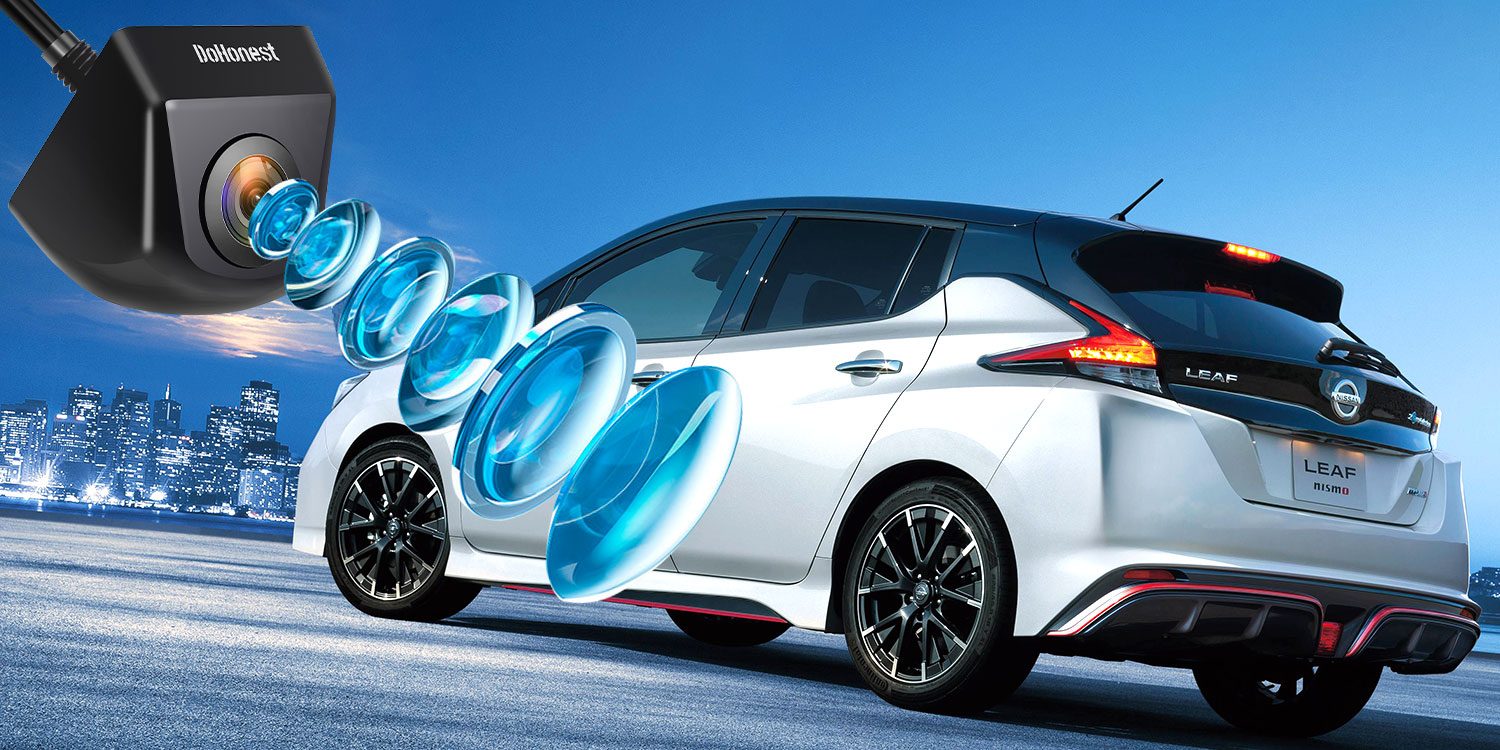
Every backup camera has to solve two problems: how the camera gets power, and how the image gets to the monitor. The answer decides how long the installation takes and how the system behaves on the road. Here is the difference, honestly told.
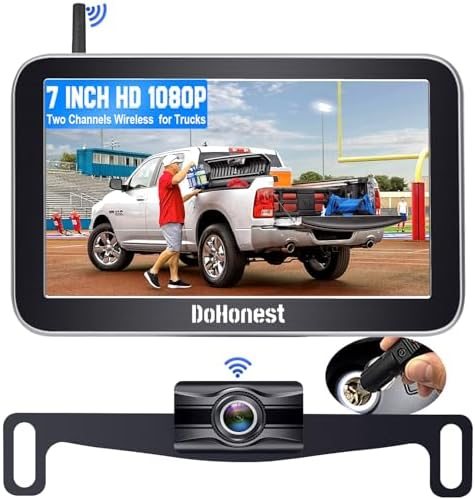
V29 7-Inch Split Screen
License-plate camera, 7-inch split-screen monitor, room for a trailer camera. $149.99 · 4.1 of 5.
Wired backup cameras
A wired camera sends the image over a cable that runs from the rear of the vehicle to the dash. The picture is rock-solid, but routing that cable through trim panels, the headliner or the chassis of a trailer is the slow part of every job. We don't make wired systems for that reason.
Wireless backup cameras
A wireless camera still needs power, but the image travels over the air. On the DoHonest V29 the camera takes 12V from the reverse light, and a 2.4G frequency-hopping signal carries the image to the 7-inch monitor. You wire two leads at the back of the vehicle and nothing through the cabin.
Solar and battery backup cameras
A solar camera removes the last wire. The DoHonest R50 runs on its own 9600mAh battery, recharges from a 5W solar panel, and attaches with magnets. It is the only kind of backup camera you can move from a truck to a trailer to a second car in a minute.
Which one we'd mount
One vehicle, one trailer, many years: V29. Several trailers, rental rigs, or a car you might sell next year: R50. Both give you a 1080P rear view and night vision.
The two we would choose between
V29 7-Inch Split Screen
License-plate camera, 7-inch split-screen monitor, room for a trailer camera.
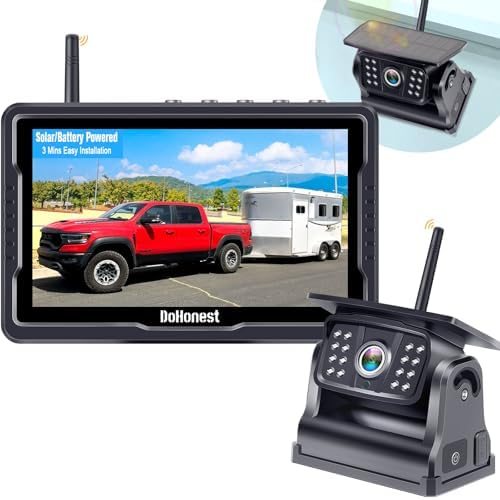
R50 Solar Magnetic
Cordless camera on six magnets, 5-inch monitor, solar and battery power.